Fostering Media Literacy in Teens

Jan 11

Fostering Media Literacy in Teens

What if the ability to discern fact from fiction was as crucial as knowing how to read? In the age of information overload, equipping teenagers with critical thinking and media literacy skills is more vital than ever.

What You Will Learn

  • The importance of discerning credible sources from misleading information in a digital landscape.
  • How critical thinking fosters inquiry, enabling teenagers to evaluate arguments and seek evidence.
  • Strategies for recognizing fake news, including checking sources and verifying information across platforms.
  • Practical tips for parents and educators to encourage ongoing media literacy and critical thinking in teens.

Critical Thinking and Media Literacy: Key Development Areas for Teens

This visual highlights the critical areas where media literacy and critical thinking skills empower teenagers to navigate today's complex digital environment.

Why Media Literacy Matters

  • Identify reliable sources
  • Improve communication
  • Engage in discussions

Role of Critical Thinking

  • Analyze media motives
  • Develop reasoning skills
  • Question information

Strategies for Recognizing Fake News

  • Check the source
  • Verify with multiple sources
  • Examine author credentials

Key Takeaways for Educators & Parents

  • Encourage questioning
  • Model critical engagement
  • Provide resources

Understanding the Importance of Critical Thinking and Media Literacy for Teenagers

Navigating the complexities of today's world requires not just knowledge but also the ability to assess information critically. Critical thinking and media literacy have become essential skills for teenagers, especially as they engage with an ever-expanding digital landscape. By understanding and refining these abilities, they can effectively analyze, evaluate, and create media content, preparing them for the challenges of adulthood.

Teenager engaged in critical thinking, possibly looking at a tablet or book, with a thoughtful expression.

In my experiences as a parenting advocate, I’ve seen firsthand how empowering teenagers with these skills can foster resilience and self-reliance. They need to be equipped to make informed decisions and develop a healthy skepticism towards the information they consume.

Why Media Literacy Skills Matter in Today’s Digital Landscape

With the explosion of digital content, including social media, blogs, and news platforms, the importance of media literacy cannot be overstated. Teenagers are often inundated with messages from various sources, making it vital for them to discern credible information from misleading content. The News Literacy Project emphasizes the growing need for these skills in American education.

  • Enhanced ability to identify reliable sources and distinguish them from biased or false information.
  • Improved communication skills, enabling them to articulate their thoughts and opinions effectively.
  • Empowerment to engage in meaningful discussions and debates, fostering a culture of open dialogue.

As we focus on building these skills, we are not merely preparing teenagers for a test but equipping them for life. They will face numerous challenges, and media literacy can play a crucial role in navigating those waters. Recent findings, such as the Snapshot 2024: The State of Media Literacy Education in the US report from NAMLE, highlight the current landscape and ongoing efforts in media literacy education.

The Role of Critical Thinking in Navigating Misinformation

Critical thinking acts as the compass that guides teenagers through the sea of information they encounter daily. It encourages them to ask questions, seek evidence, and evaluate arguments before forming opinions. In a world filled with misinformation, nurturing these skills is more important than ever.

  • Analyze the motives behind different media messages.
  • Develop reasoning skills that help them weigh evidence and consider alternative viewpoints.
  • Foster a habit of questioning rather than accepting information at face value.

By cultivating critical thinking, we help teens become more active participants in their education and society, empowering them to challenge assumptions and contribute to informed discussions. The Media Literacy Now Policy Report 2023 further underscores the policy implications and the urgent need for widespread critical thinking and media literacy initiatives.

Recognizing Fake News: Strategies for Teenagers

Recognizing fake news is an invaluable skill for teenagers today. With the rise of sensational headlines and misleading articles, being able to spot inauthentic information is crucial. Here are some strategies that can help:

  • Check the source: Ensure the information comes from a reputable outlet.
  • Verify with multiple sources: Look for corroborating evidence across different platforms.
  • Examine the author’s credentials: Investigate the background of the writer to assess their expertise.

These strategies not only promote critical thinking but also encourage teenagers to take ownership of their media consumption. As a result, they become more informed and responsible citizens.

Interactive Poll: Your Thoughts on Media Literacy

As we explore the importance of critical thinking and media literacy for teenagers, we want to hear from you! How do you feel about the role of media literacy in your teen's education? Select your response below:

Frequently Asked Questions About Critical Thinking and Media Literacy for Teens

Q: What is media literacy and why is it important for teenagers?
A: Media literacy is the ability to access, analyze, evaluate, create, and act using all forms of communication. It's crucial for teenagers because it equips them to navigate the vast digital landscape, discern credible information from misinformation, and engage thoughtfully with various media content.
Q: How does critical thinking help teenagers navigate misinformation?
A: Critical thinking provides teenagers with the tools to question information, seek evidence, and evaluate arguments before forming opinions. This helps them analyze the motives behind different media messages, develop reasoning skills, and avoid accepting information at face value, thereby reducing their susceptibility to misinformation.
Q: What are key strategies teenagers can use to recognize fake news?
A: Key strategies include checking the source to ensure it's reputable, verifying information with multiple reliable sources, and examining the author's credentials to assess their expertise and potential biases.
Q: How can parents and educators encourage ongoing media literacy in teens?
A: Parents and educators can encourage ongoing learning by staying informed about current media trends, using trending topics for discussion and analysis, promoting the idea that media literacy is a lifelong skill, and fostering a growth mindset where learning from mistakes is encouraged.
Q: What are some practical tips for incorporating critical thinking and media literacy into daily life?
A: Practical tips include implementing daily media check-ins to discuss content, encouraging teens to create their own media, using real-life examples to analyze messages and motives, and exploring educational resources like workshops or webinars focusing on these skills.

Summarizing the Impact of Critical Thinking and Media Literacy on Teen Development

As we reflect on the vital role that critical thinking and media literacy play in adolescent growth, it's clear that these skills are not just academic; they are essential for navigating the complexities of our modern world. In fostering these abilities, we empower teens to analyze information critically, make informed decisions, and engage with the media landscape thoughtfully.

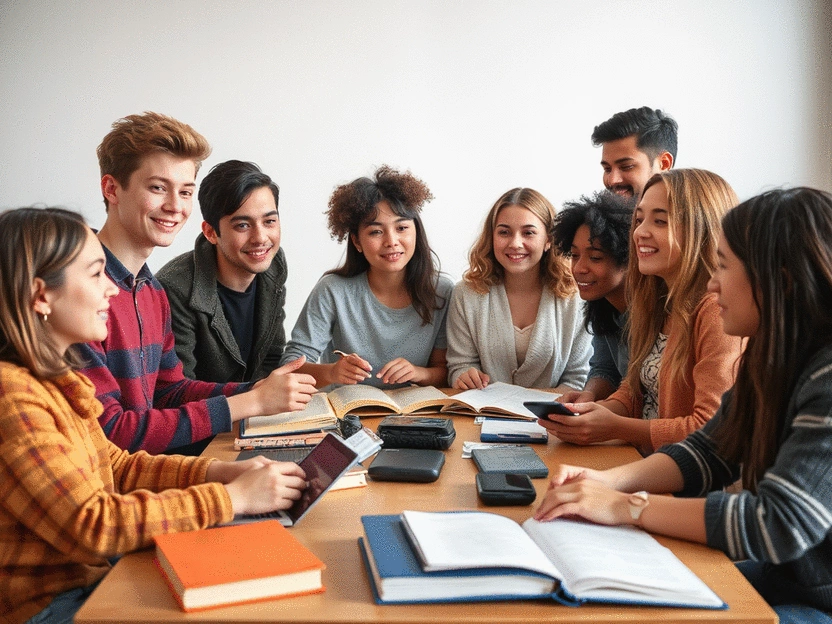
Teacher explaining media literacy to a group of teenagers in a classroom setting.

Parents and educators alike have a unique opportunity to cultivate these skills through everyday conversations and activities. By encouraging discussions around media consumption and promoting critical inquiry, we can support teens in becoming informed citizens who can discern fact from fiction and engage meaningfully with the world.

Key Takeaways for Educators and Parents

Understanding how to reinforce critical thinking and media literacy in teens can significantly enhance their personal and academic lives. Here are some key takeaways:

  • Encourage Questioning: Always prompt teens to ask questions about the information they encounter. What is the source? What evidence supports it?
  • Model Critical Engagement: Share your own media consumption experiences. Discuss how you analyze news articles or social media posts with a critical lens.
  • Provide Resources: Equip teens with tools for verifying information, such as fact-checking websites and critical thinking frameworks.
  • Promote Collaboration: Foster group discussions where teens can share perspectives and challenge each other's thinking in a respectful manner.

By integrating these practices, we can create an environment that not only values media literacy but also encourages our teens to use their voices responsibly and reflectively.

Encouraging Ongoing Learning and Growth in Media Literacy

Media literacy is not a one-time lesson; rather, it’s a continuous journey that evolves with new technologies and media forms. As parents and educators, we should inspire ongoing learning in this realm. Here are some effective strategies:

  • Stay Informed: Keep up with current media trends and technologies that affect youth. Share this information with your teens.
  • Engage in Real-Time Discussions: Utilize trending topics or viral content as opportunities for discussion, helping teens analyze current events as they unfold.
  • Encourage Lifelong Learning: Promote the idea that being media literate is a skill that will benefit them throughout their lives, from school projects to future careers.
  • Foster a Growth Mindset: Remind teens that developing these skills is an ongoing process and that it’s okay to make mistakes along the way.

By encouraging this kind of growth, we help teens build resilience and adaptability in an ever-changing digital landscape.

Getting Started: Next Steps for Educators and Parents

Practical Tips for Implementing Skills in Daily Life

As we look to put these theories into practice, there are several simple yet impactful ways to weave critical thinking and media literacy into our daily routines:

  • Daily Media Check-Ins: Set aside time each week to discuss media that your teen engages with. Ask them what they've seen or read, and delve into it together.
  • Incorporate Media Projects: Encourage teens to create their own media, such as blogs or videos, where they can express their views and apply their critical thinking skills.
  • Use Real-Life Examples: When watching the news or scrolling through social media, pause to analyze messages and motives behind the content.
  • Explore Educational Resources: Look for workshops, webinars, or local classes that focus on media literacy and critical thinking for teens.

These practical steps can create an engaging environment for teens to develop their skills effectively!

Encouraging Feedback and Sharing Experiences

Creating a culture of feedback is crucial in reinforcing critical thinking and media literacy. It allows teens to learn from their experiences and refine their skills. Here are some strategies to encourage this:

  • Establish Reflection Practices: After discussions or media analyses, encourage teens to share what they learned and what they found challenging.
  • Create Safe Spaces for Feedback: Ensure that your home or classroom provides a supportive environment where teens feel safe to voice their ideas without fear of judgment.
  • Encourage Peer Reviews: Foster opportunities for teens to evaluate each other's work. This collaborative process not only enhances learning but also builds community.

Remember, the goal is to foster an open dialogue that nurtures their growth as capable and critical thinkers.

Building Emotional Intelligence Through Media Engagement

Lastly, engaging with media critically can significantly enhance teens' emotional intelligence. Understanding perspectives, empathizing with others, and analyzing emotions portrayed in media are vital skills that contribute to their personal development. Here are ways to facilitate this:

  • Discuss Emotions in Media: When analyzing shows or articles, take time to explore the emotions conveyed. Ask teens how they feel about certain characters or stories.
  • Connect Media to Real Life: Relate themes from media to real-world issues, helping teens understand different viewpoints and the emotional complexities involved.
  • Encourage Self-Reflection: Prompt teens to reflect on their own emotions in response to media. This practice can enhance their empathy and emotional regulation.

By fostering emotional intelligence through media engagement, we help teens develop a holistic approach to navigating their experiences in our interconnected world.

Recap of Key Points

Here is a quick recap of the important points discussed in the article:

  • Media Literacy is Crucial: Teenagers must develop the ability to identify reliable sources and distinguish credible information from misinformation.
  • Critical Thinking Skills: Encourage teens to analyze motives, seek evidence, and question information rather than accepting it at face value.
  • Strategies to Recognize Fake News: Check the source, verify information with multiple outlets, and examine the author's credentials.
  • Encourage Ongoing Learning: Media literacy should be a continuous journey, adapting to new technologies and media forms.
  • Practical Tips for Implementation: Incorporate media check-ins, encourage creation of media projects, and utilize real-life examples for discussions.
About Cameron Blake

Cameron Blake

Parenting Advocate. Educational Psychologist. Family Dynamics Expert.

Cameron Blake is dedicated to guiding families through the complex journey of raising teenagers, empowering parents to navigate adolescence with confidence and compassion. Join him on "Perspective on Parenting" for practical insights and strategies that foster emotional growth, resilience, and lasting connections between parents and their teens.